
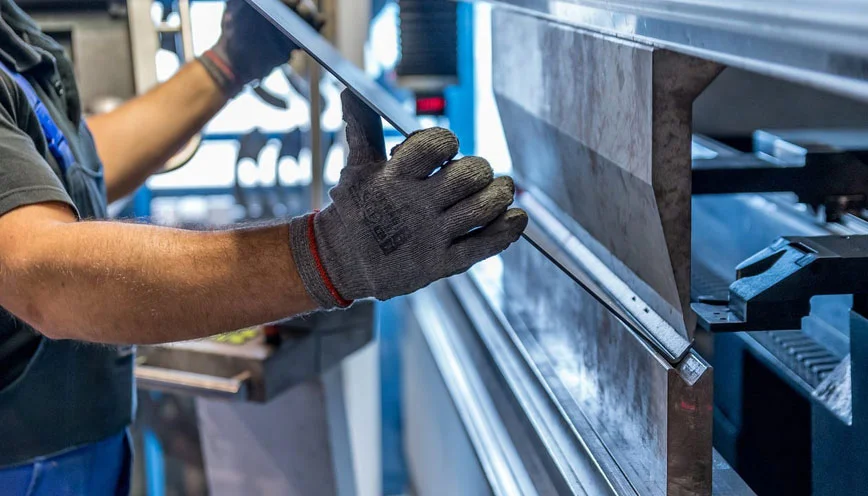
1. Regular Maintenance
-
Follow OEM guidelines for maintenance schedules.
-
Perform routine inspections to identify wear and tear before it leads to failure.
-
Lubricate moving parts regularly to minimize friction and corrosion.
2. Use High-Quality Parts and Materials
-
Invest in genuine replacement parts and corrosion-resistant materials.
-
Ensure parts meet industry standards to avoid premature failure.
3. Implement Condition Monitoring
-
Use sensors and monitoring tools (e.g., vibration analysis, thermal imaging) to track equipment performance in real time.
-
Predict issues before they become serious problems using predictive maintenance techniques.
4. Protect Against Environmental Damage
-
Apply anti-corrosion coatings to marine and coastal equipment.
-
Use protective enclosures or shelters to guard equipment from harsh weather and saltwater exposure.
-
Install desiccant breathers and seals to protect internal components from moisture.
5. Train Operators and Maintenance Personnel
-
Ensure staff are properly trained in equipment operation and safety procedures.
-
Misuse or incorrect operation is a major cause of early equipment failure.
6. Maintain Proper Documentation
-
Keep detailed records of maintenance, repairs, and part replacements.
-
Helps track equipment history and supports decision-making on servicing or upgrading.
7. Use Equipment Within Design Limits
-
Avoid overloading or using equipment beyond its rated capacity or duty cycle.
-
Ensure that systems are operated within recommended temperature, pressure, and speed ranges.
8. Upgrade When Necessary
-
Retrofit older equipment with modern control systems or components for better performance and longevity.
-
Replace outdated systems that are no longer efficient or safe.
9. Manage Lubrication Effectively
-
Use the correct type and grade of lubricant recommended by the equipment manufacturer.
-
Monitor lubricant condition regularly and change it before it degrades.
-
Avoid contamination by storing and handling lubricants properly.
10. Control Vibration and Alignment
-
Misalignment and excessive vibration can cause serious damage to rotating machinery.
-
Regularly check and correct shaft alignment, bearing condition, and mounting stability.
-
Use vibration dampeners or isolators when necessary.
11. Ensure Proper Storage
-
When equipment is not in use, store it in dry, sheltered environments.
-
Apply protective coatings or wraps if the equipment must be stored outdoors or in corrosive environments.
-
Run idle equipment periodically to prevent internal corrosion or system stagnation.
12. Implement a Preventive Maintenance Program
-
Create and follow a structured preventive maintenance (PM) schedule.
-
PM programs reduce unexpected failures and extend the service life of components.
13. Monitor Electrical Systems
-
Regularly inspect wiring, connections, and insulation for signs of wear or corrosion.
-
Ensure power supply quality is stable to prevent electrical stress on motors and control systems.
-
Install surge protection and grounding to prevent damage from electrical faults.
14. Calibrate and Test Instrumentation
-
Instruments and sensors should be calibrated periodically to maintain accuracy.
-
Faulty readings can lead to poor operational decisions and equipment stress.
15. Embrace Digital Tools and Analytics
-
Use digital twins, SCADA systems, or asset management software to monitor equipment health.
-
Leverage data analytics to identify patterns and predict failures before they happen.
16. Practice Good Housekeeping
-
Keep equipment and surrounding areas clean and free of debris.
-
Dust, salt, oil, and other contaminants can degrade components over time.
17. Work with Trusted Service Providers
-
Partner with experienced professionals for inspections, overhauls, and specialized maintenance.
-
Ensure vendors are certified and have experience with your specific equipment type.
By following these strategies, you can maximize the operational life of your industrial and marine equipment, reduce costs, and ensure safe, reliable performance over time.