
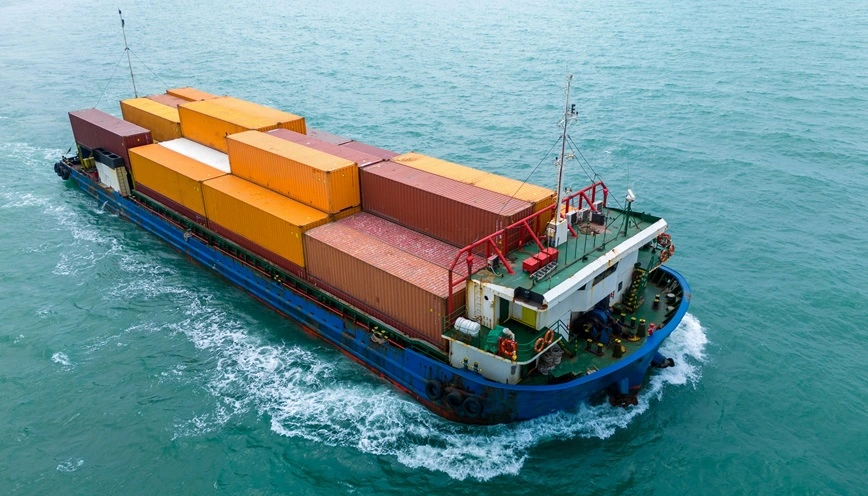
The Future of Marine Engineering: Innovations & Trends
Marine engineering is undergoing a revolutionary transformation, driven by rapid technological advancements and growing environmental concerns. As the maritime industry faces pressure to become more sustainable, efficient, and autonomous, several key trends and innovations are shaping the future of marine engineering.
1. Green Propulsion Systems
One of the most significant shifts in marine engineering is the move toward eco-friendly propulsion. Engineers are increasingly focusing on reducing carbon emissions through:
-
LNG (Liquefied Natural Gas)-powered ships
-
Hybrid and fully electric propulsion systems
-
Hydrogen fuel cells
-
Wind-assisted propulsion, such as rotor sails
These technologies not only help reduce greenhouse gases but also align with the International Maritime Organization’s (IMO) decarbonization goals.
2. Autonomous and Smart Ships
The development of autonomous vessels is revolutionizing ship operations. These vessels are equipped with:
-
Advanced navigation systems
-
AI-based decision-making tools
-
Remote monitoring and diagnostics
Autonomous ships promise increased safety, efficiency, and cost savings by reducing human error and enabling round-the-clock operations.
3. Digitalization and Smart Technologies
Marine engineering is embracing digitalization to enhance ship performance and operational efficiency. Key innovations include:
-
Digital twins for real-time monitoring and simulation
-
Internet of Things (IoT) for predictive maintenance
-
Blockchain for secure and transparent supply chains
-
Big Data Analytics to optimize routing, fuel usage, and logistics
4. Advanced Materials and Design
New materials and design techniques are making ships lighter, stronger, and more fuel-efficient. Marine engineers are exploring:
-
Composite materials that resist corrosion
-
Modular ship design for easier maintenance and upgrades
-
3D printing for on-demand spare parts and components
5. Renewable Energy Integration
Vessels are increasingly being equipped with renewable energy systems, such as:
-
Solar panels to supplement power needs
-
Wave energy converters for energy harvesting
-
Energy storage systems like advanced batteries and supercapacitors
These systems reduce reliance on fossil fuels and help ships operate more sustainably.
6. Enhanced Safety and Environmental Compliance
Marine engineering is also focusing on innovations that improve safety and ensure compliance with global regulations, including:
-
Advanced ballast water treatment systems
-
Real-time emissions monitoring
-
AI-powered safety management systems
Conclusion
The future of marine engineering is anchored in innovation, sustainability, and smart technology. As these trends continue to evolve, marine engineers will play a critical role in reshaping the global shipping industry—ensuring it remains efficient, safe, and environmentally responsible.